

How to Choose Between Painted vs Stained Cabinet Doors

Painting and staining are the two most popular finishes for cabinet doors. Both approaches can significantly transform the look and feel of your space. If you like sleek, modern interior designs, consider painting your cabinet doors a bright white, black, or cream. If you prefer the look and charm of a traditional kitchen, staining cabinet doors might be a better approach for your aesthetic.
Can't decide between the two options? In this article, we'll examine the style and durability differences between painted cabinets and stained kitchen cabinets, helping you determine which is best suited for your space. Here's everything you need to know:
What’s the Difference Between Painted vs Stained Cabinets?
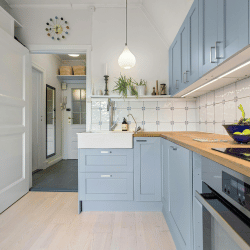
There are several key differences to consider when comparing painted vs. stained cabinet doors. This includes:
Look and Aesthetic
Stains are designed to enhance the natural wood grain, making knots and burls more vibrant and eye-catching. Painted cabinet doors have a smooth surface and are typically made with a paint-grade material, such as medium-density fiberboard. MDF is an engineered wood product that doesn't have a grain pattern or natural texture. There are also a variety of cabinet paint colors to choose from, so you can get creative with the look and aesthetic.
Durability and Maintenance
When you invest in custom-made cabinet doors from a reliable supplier, both painted cabinets and stained kitchen cabinets will be made from durable materials. However, painted cabinets are more prone to scratches, dents, and chips. This tends to happen over time, and the best way to avoid it is to apply a proper finish over the paint. Stained finishes are better at hiding general wear and tear, making them a great option for high-traffic areas.
Cost Considerations
The cost differences between painted vs. stained cabinets will vary, depending on whether you decide to DIY your approach and how complex the finish is. If you order unfinished cabinet doors and plan to paint them yourself, you'll need to plan and prep the cabinets to achieve a smooth, even painted finish. Most homeowners need to paint, sand, and prime the doors several times before they are ready to be installed. If your budget allows, you can also order the cabinet doors painted and ready to install.
Stained cabinet doors will vary in price, depending on the type of wood you decide on. Some wood types are more expensive than others. However, staining cabinet doors is more straightforward and doesn't require as much preparation.
What to Expect with Painted Cabinet Doors
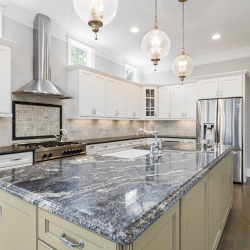
Painted cabinets have a smooth, flawless finish and are made to complement modern and contemporary interior designs. Most painted cabinet doors are made of a paint-grade material, such as MDF. While MDF is cheaper than solid wood, the cost to paint cabinet doors will vary, depending on the size of the project.
Pros of Painted Cabinets
- Smooth, seamless look
- A wide range of color options to choose from
- Easy to clean with water and a gentle soap
Cons of Painted Cabinets
- It can easily chip or peel over time without the right finish
- Harder to touch up if the paint gets damaged
- If you decide to go with a bold or bright color, you might grow tired of it over time
What to Expect with Stained Cabinet Doors
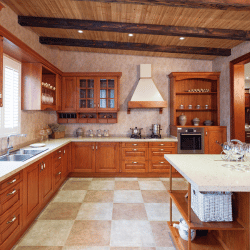
Stained cabinet doors are hand-crafted with natural wood and stained to enhance the natural look of the wood texture and grain pattern. There are a variety of wood types to choose from. Some have a smoother texture that lacks natural variation. While other materials are more wood-forward, featuring a unique grain pattern, knots, and burls.
Pros of Stained Cabinets
- Wide range of stains and stain colors to choose from
- Durable and easy to maintain
- Less resistant to general wear and tear
Cons of Stained Cabinets
- Some wood species are harder to stain than others
- Stains can highlight inconsistencies in the wood pattern
- Direct sunlight and UV exposure can darken the stain over time
Stained Versus Painted Cabinet Doors: How to Choose the Right Finish
You can't go wrong with either finish for your next at-home renovation project. Both finishes provide an enhanced overall look that can completely transform your kitchen. When comparing the two, it's best to consider how these types of cabinet doors will look in your space. If you have a more modern kitchen, painted cabinet doors might be a better choice. If you have a more traditional space, stained cabinets might complement it better.
You'll also want to consider the other components in the space, ensuring the cabinets complement the countertops, floors, appliances, and decor. Overall, the goal should be to create a cohesive look that complements your personal taste and interior design.
Find Painted and Stain-Ready Custom Cabinet Doors at Cabinet Door Factory
Can't decide between stained and painted cabinets? No matter which option you decide on, Cabinet Door Factory has you covered. We specialize in custom-made and made-to-order cabinet doors and drawer fronts. We offer a variety of wood species, including high-quality paint-grade options. Explore our cabinet door styles today.
FAQs
Are painted or stained cabinets more expensive?
Painting cabinet doors tends to be more labor-intensive, resulting in higher costs. Prepping and painting the cabinet doors also takes more time and energy to ensure a seamless, professional finish.
Do stained cabinets last longer than painted ones?
Yes, stained cabinet doors are more durable and less likely to chip and peel over time. With proper upkeep and maintenance, you can maintain the integrity of the doors over time.
Can you stain wood cabinets if they’ve been painted?
You should not apply a stain to painted cabinet doors. If you decide to apply a stain, you'll need to completely remove the paint and strip the cabinets down to the natural wood. This approach will only work for natural wood, not for cabinet doors made with paint-grade materials such as MDF.
