

Mixing Textures in the Kitchen

Mixing textures is a creative way to add depth and dimension to your kitchen. You can do this by expertly pairing different materials, patterns, and colors. However, be mindful when experimenting with materials to ensure components don't clash or clutter your kitchen.
Here's how you can expertly mix kitchen textures and colors:
Kitchen Texture Design Basics: What “Texture” Really Means
Texture comes in various forms. Some textures, such as matte and glossy cabinet door finishes, are more visual. While other textures are more physical, such as wood grain or brushed metal. These physical textures can make a space more visually appealing by adding depth and contrast to your kitchen. However, too much physical texture can make the space feel cluttered. To achieve a cohesive, put-together look, you'll want to expertly combine physical and visual textures.
How Texture in Cabinet Doors Changes the Look of a Kitchen
For most kitchens, the cabinet doors are the focal point of the space. This means the cabinet texture you choose can completely transform your kitchen's look and style.
Cabinet doors made of natural wood with a prominent wood grain are a popular choice for traditional kitchen designs. If you're looking for more subtle cabinet door texture, consider beadboard-style cabinets or painted cabinets with a matte finish.
If you decide to mix cabinet door textures, do it in a way that looks purposeful and professional. For example, a two-tone look is a popular approach for a kitchen with an island. You can keep the island's natural wood grain finish and apply a matte finish to the rest of the cabinets.
How to Pair Textured Kitchen Cabinets With Other Elements
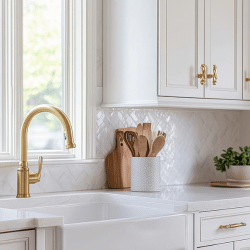
The goal is to create a space that feels intentional, not busy or cluttered. When exploring different materials, colors, and wood species to incorporate, ensure you have one main texture as the focal point. Then identify one to two complementary textures for the base texture. This approach will make your space visually interesting. You'll want to consider how these elements blend with other elements in your home.
Countertop Texture Pairings That Complement Your Kitchen
The countertops should add visual contrast and uplift the other textures in the space. If you choose a statement cabinet texture or color, you'll want the countertops to be more subtle. However, the simpler the cabinet doors are, the more creative you can be with the countertop texture.
Kitchen Backsplash Texture Ideas That Tie the Room Together
The kitchen backsplash texture is a key design component for your space. It will help tie in the other design elements in the kitchen to create a cohesive, balanced look. If you don't want to match the materials, consider complementary colors. This will create visually interesting depth that feels purposeful. If you're looking for something more bold and eye-catching, consider a bold kitchen tile in colors or hues that complement the countertops or cabinet finish.
Hardware Texture Choices That Add Detail Without Clutter
The kitchen cabinet hardware texture can completely transform the area. It's designed to add contrast and tie in the different design components. The most popular textures are bursh and matte. Matte is a popular choice for modern kitchens and pairs well with laminate and wood veneer. Brushed nickel or brass pairs well with warm wood tones and light-colored cabinets.
Kitchen Wallpaper Texture as a Subtle Accent
Kitchen wallpaper texture is a top choice for small spaces such as the pantry area or breakfast nook. It's designed to add a subtle accent without being overly distracting. When incorporating textured wallpaper, ensure it complements the texture of the cabinets and counters for a seamless look.
Three Popular Cabinet Texture Ideas
Are you looking to mix kitchen cabinet texture with other design elements? Here are three simple, effective ways to get a cohesive look:
Textured Glass for Kitchen Cabinets
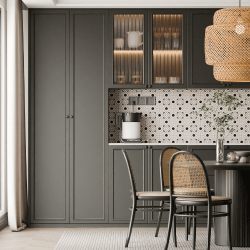
Glass-ready cabinet doors are a popular choice for smaller kitchens or kitchens with a U-shaped layout. The glass invites natural light to the space, making it feel more welcoming.
A great way to make glass-ready cabinet doors more visually interesting is to switch the glass panels for textured glass. Seeded, reeded, and frosted glasses are ideal for display and upper cabinets. Consider pairing it with natural wood with a prominent grain, such as oak, cherry, or maple. If you're looking for a more modern look, consider a glossy laminate.
Wood-Grain Cabinets With a Simple Backsplash
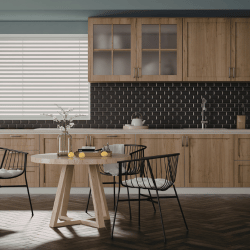
Some wood species, such as knotty oak and cherry, have a more prominent grain pattern. This added texture can warm and enrich your space, making it more visually interesting. If you choose a more prominent grain pattern, consider pairing it with a simple backsplash. A bold or intricate backsplash may clash with the wood's natural beauty.
Matte Painted Cabinets With Textured Tile
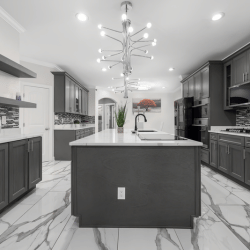
Cabinets with a matte finish have a non-reflective surface. This is a great design choice for modern homes and can be used to hide imperfections. If you prefer the matte finish, consider pairing it with a textured tile to enhance visual appeal. You'll want to find a tile with complementary or similar colors to tie in the details.
Build a Balanced Look With CDF
Getting creative with cabinet door texture can make your space more visually interesting. However, you'll want to ensure you're intentional with your approach so that the elements don't clash.
If you're looking to elevate your space, consider starting with your cabinet doors. At Cabinet Door Factory, our doors are custom-made and made to order. We're here to walk you through the different styles, wood species, and colors available, so you can find a solution that complements the other textures in your space.
Explore our cabinet door styles.
FAQs About Mixing Textures in the Kitchen
Can texture be added without remodeling the entire kitchen?
Texture can be added to your kitchen without committing to a full remodel. You can do this by installing replacement cabinet doors, adding wallpaper, or upgrading the cabinet hardware.
Do textured surfaces make a kitchen harder to keep clean?
Textured surfaces can make a kitchen harder to keep clean, as textured tiles, backsplashes, and flooring can trap grime in areas that are more difficult to clean than smooth surfaces. You'll want to clean textured surfaces regularly to avoid a buildup of dirt and grime.
What’s the easiest way to test if textures will work together?
The easiest way to test if textures will work well together is to buy the samples of the different textures and see if they complement each other. This will help you visualize how the elements work together.
