

How to Repair Minor Dings or Dents in Cabinet Doors

There's nothing worse than finding a ding, dent, or scratch on your expensive cabinet doors. These small imperfections can disrupt the appearance of your kitchen. If not repaired, tiny dings can also lead to larger cracks or damage over time. Thankfully, there are simple repair methods that can make your cabinet doors look as good as new. All you need is the right tools and a little patience.
In this article, we'll explore common kitchen cabinet door repairs you can use to maintain the pristine look of your cabinets. Here's everything you need to know to get started:
Common Cabinet Door Issues and How to Fix Them
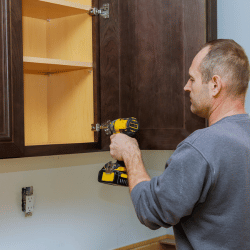
If you notice a small imperfection, you can likely fix the cabinet doors with the right tools and method. Here's a quick overview of common issues and how you can fix them.
Chipped Cabinet Door and Minor Scratches
So, what should you do if your cabinet door gets chipped? If you notice a minor chip in your cabinet door, the first thing you want to do is assess the damage to ensure it's fixable. Most shallow dents and chips can typically be fixed using wood filler or putty. To use this method, you'll need to:
- Clean the area with warm water and soap
- Use a putty knife to fill in the chipped area with wood filler
- Apply a smooth, even coat of wood filler and let it dry
- Once it dries, sand it down, then apply primer and paint
This method is best for small chips or shallow dents. If the chip is over a corner or deeper than a 1/2 inch, the wood filler might not work as well.
Fixing Peeling Paint on Cabinet Doors
Skipping steps in the prep phase or prolonged exposure to moisture are two of the most common causes of peeling paint on cabinet doors. The good news is that fixing peeling paint on cabinet doors is relatively straightforward. All you need to do for this kitchen cabinet door repair is:
- Remove the peeling paint from the cabinet door
- Sand down the area with sandpaper
- Clean the area and repair any of the dents with wood filler if needed
- Sand down the area and let it dry
- Reapply primer and paint
Touching Up Finish Wear on Cabinet Corners
When it comes to cabinet doors, the corners are usually the quickest to show signs of wear and tear. If the corners continue to wear, it can lead to more peeling or chipping over time. Worn corners can also impact the overall look and feel of your cabinet doors. If you notice this type of wear on your cabinet corners, you'll want to touch them up with paint or a stained finish. Here is the best way to touch up the finish wear on corners:
- Clean the location with warm water and a gentle soap
- Buff away any imperfections with sandpaper
- Apply paint, stain, or a clear coat to the worn area
- Seal it with a clear coat, and let it dry
Understanding Different Cabinet Door Materials and Their Repair Needs
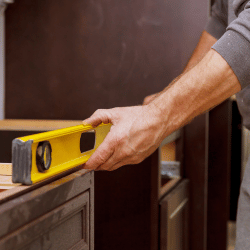
When it comes to repairing cabinet doors, some materials are easier to fix than others. Before you start a repair, you'll want to know the specific material's unique characteristics. Here’s how the three most common materials compare:
- Solid Wood: The most durable and sturdy material for cabinet doors. However, it's more prone to warping and cracking in humid climates or extreme temperature changes. Some softer wood types can also dent and scratch more easily.
- MDF: MDF is made of medium-density fiberboard. This material features a smooth surface and is best for painted cabinet doors. This material is more prone to paint chipping and moisture damage.
- Laminate: Laminate material fused to the surface of cabinet doors, making it durable and easy to clean, but more prone to corner wear and chipping.
When deciding which material is right for your home, consider your unique needs and budget. For example, laminate is typically cheaper and easier to clean than natural wood, but it’s harder to repair damage. While solid wood might be more expensive, it’s more likely to withstand general wear and tear for longer.
Preventive Measures to Avoid Future Cabinet Door Damage
Wear and tear are a normal part of the aging process for cabinet doors. However, with regular maintenance and protective tips, you can maintain a pristine look for longer. Here are some quick protective tips to consider to avoid kitchen cabinet door repairs:
- Clean your cabinet doors regularly using warm water and a gentle soap
- Check the hardware every two to three months and tighten the screw if needed
- Invest in soft-close hinges
- Apply a wax or protective coating every two years
- Assess your cabinet doors regularly for damage to catch minor problems before they worsen.
When Repairing Isn’t Enough: Time to Consider New Cabinet Doors
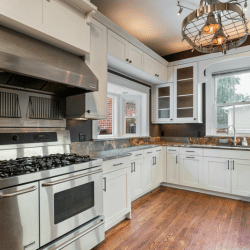
While kitchen cabinet door repairs are easy to do at home without professional help, these repair solutions won't always work. In some cases, it's more effective to buy new cabinet doors than to invest in supplies and materials. Cabinet door replacements are a cost-effective way to elevate your home for a fraction of the cost of a full remodel. You can replace as many doors as you need, without worrying about complicated cabinet door repairs.
Get a Fresh Look with Custom Cabinets
If the dent, scratch, or scuff marks are more noticeable than you thought, consider investing in high-quality, custom-made cabinet door replacements rather than a repair. At Cabinet Door Factory, we specialize in custom-made solutions for residential and commercial spaces. We also have a variety of modern and traditional styles, so you can completely transform the look of your space at an affordable rate.
Explore our custom-made cabinet doors today.
Frequently Asked Questions
What are the most common causes of cabinet door damage?
Dents, scuffs, and scratches are common issues that happen in high-traffic areas. Dropping pots or pans, slamming cabinet doors, or using the wrong cleaning products can cause this type of damage. High humidity or exposure to moisture can also cause warping or cracking, which can be hard to repair.
How can I tell if my cabinet doors are made of wood, MDF, or laminate?
The easiest way to tell whether your cabinet doors are made of wood, MDF, or laminate is to assess the material's appearance and feel. Wood has a natural, consistent grain pattern. Laminate has a more uniform, manufactured appearance, while MDF has a smooth surface without a grain pattern.
